“coffee farmers” search results (11600)
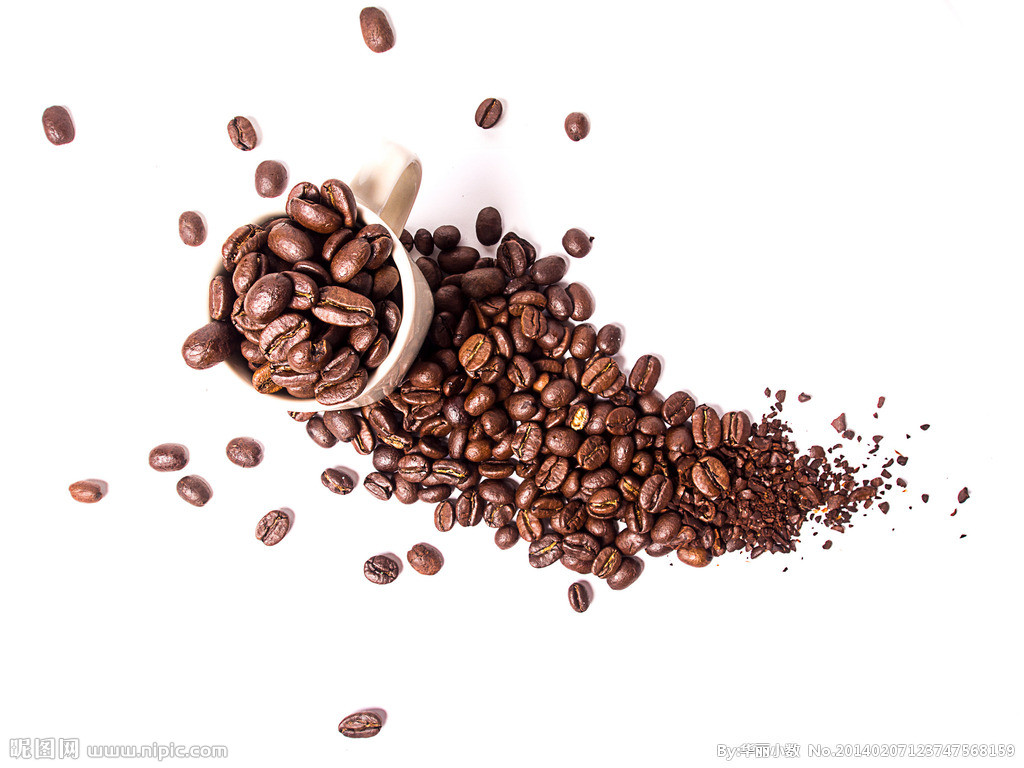
Introduction to the flavor of boutique coffee beans with distinctive characteristics of Sunshine Yerjia Feiwoca varieties
The bean comes from a single farm, Ethiopia, and is processed by the Waka Cooperative (Worka cooperative). Alemayehu Alako Farm is a member of the Waka Cooperative. The Waka Cooperative, located in the south of Gedeb District, was founded in 2005 and joined the famous Yejia Sheffield Coffee Farmers Cooperative Union (YCFCU,Yirgacheffe Coffee Farmers Cooperati).
2016-09-05 Personality distinctive sunburn Yega Sheffield Wauka variety taste manor characteristics
Nespresso and South Sudanese coffee growers make progress in rebuilding the coffee industry
Lobsang, Switzerland / PRNewswire-Asianet /-- despite continuing conflicts, coffee growers in South Sudan have made progress in reviving the country's coffee industry. After their hard work and hard work, Nespresso limited edition Grand Cru SULUJA ti South Sudan* will be available in five new countries later this month, compared with the previous launch.
2016-10-06 Nespresso Sudan coffee growers reconstruction aspects acquisition access
The "unsalable disturbance" of coffee beans gradually subsided.
Huang Lishang Zhang Yan in the past two weeks there are basically no first-class beans on the market. Li Xingrong, head of the coffee department of Yunnan's leading coffee company Aiyi Group, told me that this means that the unsalable wave of coffee beans in April has gradually subsided. Li Xingrong believes that the unsalable storm that exploded in April is just an illusion. Arabica coffee futures rose all the way last year, and in the same year,
2014-04-27 Gradually calm down coffee beans unsalable storm our news Huang Lishang Zhang Yan two weeks market
History of coffee in Rwanda
The Rwandans of origin have been growing coffee since colonial times, but until 1999, its products were still classified as below Class C and were not popular in the global market. The reason for the poor quality is that farmers do not have a fixed procedure for washing coffee beans and do not process coffee fruits according to specifications in time. Buyers buy coffee beans at $0.33 per kilogram, and farmers rely on the meagre profits earned at low prices.
2016-05-31 Rwanda Coffee History Origin Human colonization Times from Open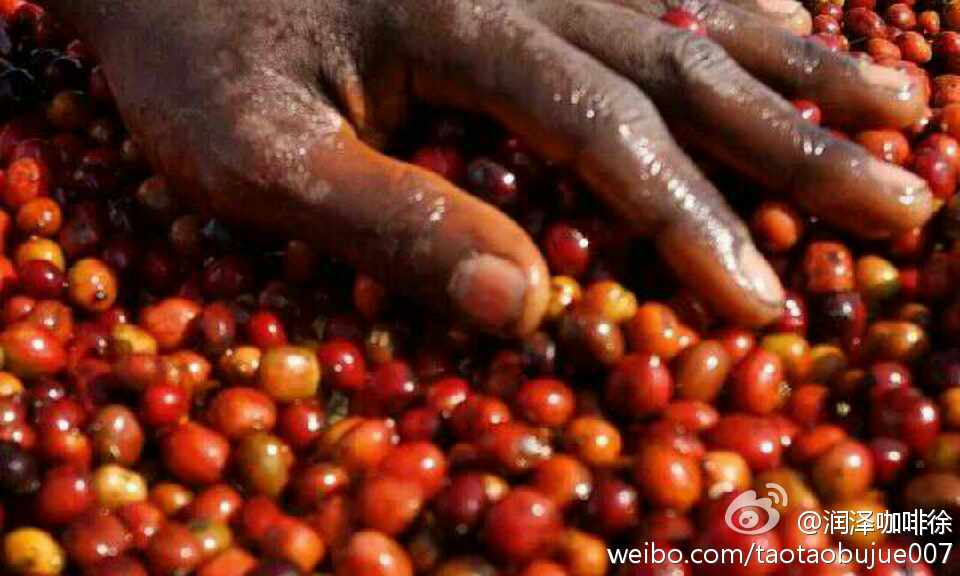
Full-bodied citrus sour and sweet sun Yega Chevoca flavor, characteristics, taste and manor introduction
The bean comes from a single farm, Ethiopia, and is processed by the Waka Cooperative (Worka cooperative). Alemayehu Alako Farm is a member of the Waka Cooperative. The Waka Cooperative, located in the south of Gedeb District, was founded in 2005 and joined the famous Yejia Sheffield Coffee Farmers Cooperative Union (YCFCU,Yirgacheffe Coffee Farmers Cooperati).
2016-08-30 Full-bodied citrus sweet sun Yega Chevy Wauka flavor specialty taste
Production process of coffee beans in Rwanda
The biggest harvest season for Rwandan coffee is during the main rainy season, from March to the end of May. During the harvest season, farmers spend most of their day picking coffee fruits by hand. In the afternoon, farmers carry coffee fruits in traditional baskets made of banana leaves to a cleaning station a few hours away. The mechanic uses his hands to make the best quality coffee with crimson color.
2016-05-31 Rwanda coffee beans production process coffee maximum harvest season is
The production process of coffee in Rwanda
The biggest harvest season for Rwandan coffee is during the main rainy season, from March to the end of May. During the harvest season, farmers spend most of their day picking coffee fruits by hand. In the afternoon, farmers carry coffee fruits in traditional baskets made of banana leaves to a cleaning station a few hours away. The mechanic uses his hands to make the best quality coffee with crimson color.
2016-06-14 Rwanda coffee production process maximum harvest season is in
Shenzhen is a fair trade "wasteland" to drink fair coffee in Hong Kong
In fact, fair trade is what farmers should give, and it is a reasonable return for farmers to pay what they deserve. This is not a kind of 'help' but a kind of 'fairness'. It is not that we give more than before, but that we give too little.
2014-06-05 Fair Coffee Shenzhen Fair Trade Hong Kong Fair Trade
The production process of coffee in Rwanda
Production process editors Coffee fruits the maximum harvest season for Rwandan coffee is during the main rainy season in the area, from March to the end of May. During the harvest season, farmers spend most of their day picking coffee fruits by hand. In the afternoon, farmers carry coffee fruits in traditional baskets made of banana leaves to a cleaning station a few hours away. The mechanic will do it by hand.
2016-06-12 Rwanda coffee production process editing maximum
The production process of coffee beans in Rwanda
The maximum harvest season for Rwandan coffee is during the main rainy season, from March to the end of May. During the harvest season, farmers spend most of their day picking coffee fruits by hand. In the afternoon, farmers carry coffee fruits in traditional baskets made of banana leaves to a cleaning station a few hours away. Craftsmen use their hands to improve their quality.
2016-06-15 Rwanda coffee beans production process boutique coffee largest
Distinctive personality sun Yega Shifeiwaka variety manor taste characteristics introduction to the flavor of fine coffee beans
The bean comes from a single farm, Ethiopia, and is processed by the Waka Cooperative (Worka cooperative). Alemayehu Alako Farm is a member of the Waka Cooperative. The Waka Cooperative, located in the south of Gedeb District, was founded in 2005 and joined the famous Yejia Sheffield Coffee Farmers Cooperative Union (YCFCU,Yirgacheffe Coffee Farmers Cooperati).
2016-09-03 Personality distinctive sun Yega Sheffield Wauka variety manor taste characteristics
Rwanda Coffee Flavor treatment method
Rwandans have been growing coffee since colonial times, but until 1999, its products were still classified as below Class C and were not popular in the global market. The reason for the poor quality is that farmers do not have a fixed procedure for washing coffee beans and do not process coffee fruits according to specifications in time. Buyers buy coffee beans at $0.33 per kilogram, and farmers keep warm by the meagre profits earned at low prices.
2016-05-27 Rwanda Coffee Flavor treatment method way Renzi colonization time
Climate change affects coffee production. 25 million coffee farmers' livelihoods are threatened.
Extreme weather events and rising temperatures have a great impact on global coffee production. It is predicted that by 2050, the land suitable for Arabica coffee will be reduced by as much as 50%. Traditional coffee-growing areas, such as Vietnam, India and Central America, will be particularly hard hit. John Connor, chief executive of the Australian Climate Research Institute, said in a statement
2016-08-31 Climate change impacts coffee production 25 million livelihoods threats extremes
Climate change affects coffee production. 25 million coffee farmers' livelihoods are threatened.
Extreme weather events and rising temperatures have a great impact on global coffee production. It is predicted that by 2050, the land suitable for Arabica coffee will be reduced by as much as 50%. Traditional coffee-growing areas, such as Vietnam, India and Central America, will be particularly hard hit. John Connor, chief executive of the Australian Climate Research Institute, said in a statement
2016-09-09 Climate change impacts coffee production 25 million livelihoods threats extremes
Pu'er Coffee Capital: tea is Life Coffee is Business
In 2007, as an important post station on the ancient tea-horse road and one of the important producing areas of Pu'er tea, Simao City, Yunnan Province, was renamed Pu'er City, so that people can live up to its name. But according to this logic, in the near future, people are likely to call it the coffee market. Like many places in Yunnan, Pu'er gives people the first impression of those ubiquitous mountains. There is no good when the car passes through it.
2014-04-27 Pu'er Coffee Capital Life Business 2007 as Tea and Horse Road
Introduction of Rwanda Coffee varieties Malaba Coffee Chimeier Manor
The biggest harvest season for Rwandan coffee is during the main rainy season, from March to the end of May. During the harvest season, farmers spend most of their day picking coffee fruits by hand. In the afternoon, farmers carry coffee fruits in traditional baskets made of banana leaves to a cleaning station a few hours away. The mechanic uses his hands to make the best quality coffee with crimson color.
2016-07-04 Rwanda Coffee species introduction Malaba Raba Mayer Manor Lu
Introduction to the flavor and taste characteristics of Malaba coffee in southern Rwanda
Rwandans have been growing coffee since colonial times, but until 1999, its products were still classified as below Class C and were not popular in the global market. The reason for the poor quality is that farmers do not have a fixed procedure for washing coffee beans and do not process coffee fruits according to specifications in time. Buyers buy coffee beans at $0.33 per kilogram, and farmers keep warm by the meagre profits earned at low prices.
2016-07-01 Rwanda South Malaba Raba Coffee Flavor Taste characteristics introduction essence
Ethiopia Yega Sheffield Sun Band Magi G3 BenchMaji Raw Bean Coffee Raw Bean
Coffee beans details: country: Ethiopia level: G3 producing area: Banchi Magi primeval forest altitude: 1500-1700 m treatment: sun varieties: Typica, Heirloom producers: small farmers harvest centralized treatment flavor: jackfruit, spices, wine Ethiopian coffee is mainly produced in eight major producing areas: Ekempti, Limu, Illubabor, Djimma
2016-03-10 Ethiopia Yega Sheffield Sun Bangui Maggie BenchMaji
Jane Goodall Fair Trade blend Coffee Italian blend Coffee beans
Billions of small-scale farmers in developing countries live on less than $2 a day. They find it difficult to support their families, send their children to school and keep their land. Fairtrade support and resources lift farmers out of poverty and invest in their communities. In the field of boutique coffee, great efforts have been made to test and study the varieties, harvest and treatment methods of coffee. For example, Tim will spend
2016-07-16 Jane Gu Doyle Fairness Trade blending Coffee Italian Coffee beans billion Development
Introduction to the production process of Panamanian Coffee Vietnamese civet coffee
The maximum harvest season for Rwandan coffee is during the main rainy season, from March to the end of May. During the harvest season, farmers spend most of their day picking coffee fruits by hand. In the afternoon, farmers carry coffee fruits in traditional baskets made of banana leaves to a cleaning station a few hours away. Craftsmen use their hands to improve their quality.
2016-06-13 Panama Coffee production process Environment introduction Vietnam Musk